Four States, One Mechanism: How IRS Disaster Tax Relief Actually Works
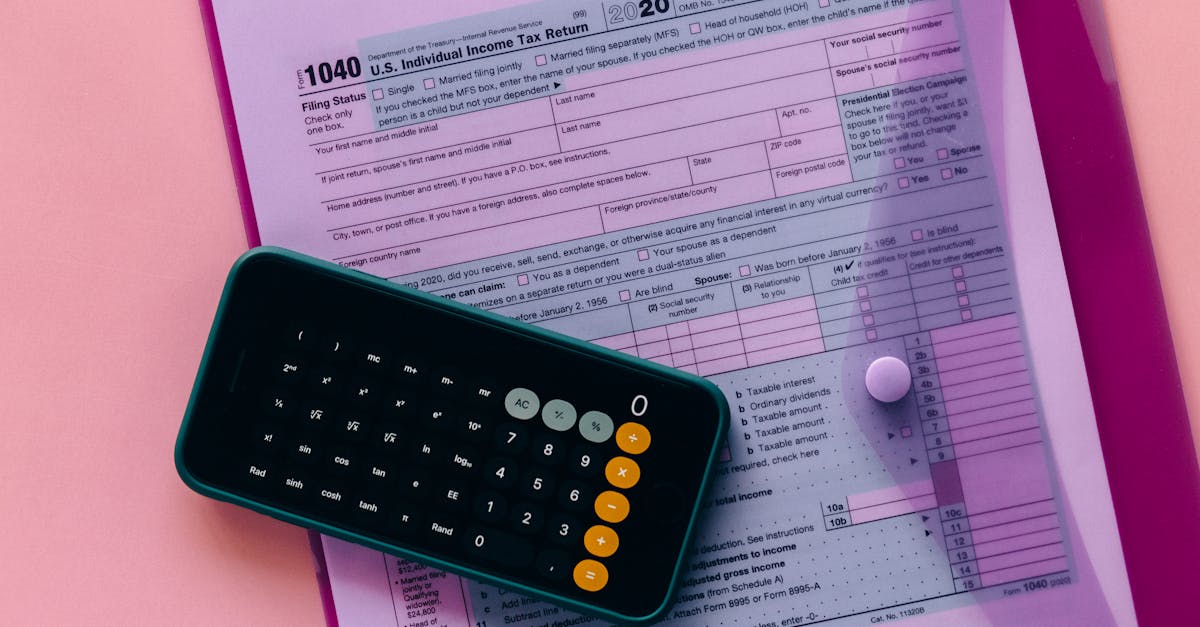
In a single stretch of 2026, the IRS granted disaster-area tax relief to taxpayers in Louisiana, Michigan, Wisconsin, and Hawaii — postponing filing and payment deadlines for those affected by storms and flooding. Hawaii's case has a quiet twist: the IRS updated that deadline weeks after the original announcement, and the page's headline still shows the old date. This piece uses those four real declarations to walk through how IRS disaster relief actually works: how you get automatically covered (or how to get covered if you don't live in the area but your records do), what deadlines actually move, the casualty-loss deduction choice, and the retirement-account relief some disasters unlock — plus exactly where to check current status yourself.
Four Declarations, One Underlying Mechanism
Between April and July of 2026, the IRS issued disaster-area tax relief covering taxpayers in four states hit by separate weather events: Hawaii (flooding and mudslides beginning in March), Michigan and Wisconsin (severe storms, tornadoes, and flooding beginning in April), and Louisiana (Tropical Storm Arthur, beginning in June). Louisiana, Michigan, and Wisconsin all had federal filing and payment deadlines pushed to November 2, 2026. Hawaii is where it gets interesting.
The IRS's original April announcement set Hawaii's relief deadline at July 8, 2026. Weeks later, the IRS quietly updated that same release, moving the actual deadline to August 20, 2026 — but the page's title and web address still read "July 8" today. Several news outlets that covered the original announcement never picked up the correction, so anyone searching for "Hawaii IRS disaster deadline" today can easily land on stale information. It's a useful illustration of a broader point: when it comes to disaster relief, the headline and the URL aren't the source of truth — the current text of the IRS's own page is.
Rather than treat these as four separate stories, it's more useful to explain the one mechanism behind all of them — because the next disaster declaration, wherever it lands, will work the same way.
How You Get Covered — And What Actually Moves
IRS disaster relief works through a legal mechanism (Section 7508A of the tax code, if you want the citation) that lets the IRS postpone deadlines for taxpayers in a federally declared disaster area. Coverage is largely automatic: if your address of record with the IRS falls inside a FEMA-designated disaster ZIP code, your account gets flagged and penalties and deadlines are adjusted without you doing anything.
There's a less obvious wrinkle: you can also qualify if you live outside the disaster area but the records you need to file — say, your accountant's office, which was in the flood zone — are located inside it. That coverage isn't automatic; you have to self-identify by calling the IRS's disaster hotline (866-562-5227). Tax preparers with multiple affected clients have a separate bulk-request process.
What actually gets postponed: individual, business, partnership, S-corp, trust, and certain estate/gift tax return deadlines, along with associated payments — including estimated tax installments, with no penalty charged for a late estimated payment as long as it's made by the new deadline.
What does not automatically move: routine information returns (think W-2s and most 1099s) and the underlying payroll and excise tax deposits themselves, though penalties on deposits made shortly late are often abated within a short grace period specified in each declaration.
The Casualty-Loss Choice
If you had an uninsured or unreimbursed loss from a federally declared disaster, you generally get to choose which tax year to claim it on: the year the disaster actually happened, or the prior year — whichever produces a better outcome for you, filed on Form 4684. That election window is generous: it typically runs until six months after the unextended due date of the return for the disaster year (that is, the original filing deadline, before any extensions). One added wrinkle from more recent legislation: an IRS-postponed filing deadline now also extends the lookback period for claiming a refund on an amended return, giving affected taxpayers more room than the postponement alone might suggest.
Retirement Accounts: A Higher Bar, A Real Benefit
Separately from the filing-deadline relief, some disasters unlock penalty-free access to retirement savings. If a disaster is designated a "qualified disaster" — a presidentially declared major disaster, a distinct and higher bar than the state-level postponements described above — affected taxpayers with IRAs or workplace retirement plans may be eligible to take a "qualified disaster distribution" of up to $22,000 without the usual 10% early-withdrawal penalty that would otherwise apply before age 59½. The income can be spread across three tax years instead of hitting all at once, and in some cases the distribution can later be repaid or rolled back into a retirement account, reported on Form 8915-F.
Not every state-level relief declaration clears this higher bar — whether it applies depends on the specific federal disaster designation, not just an IRS filing-deadline postponement. If this matters to you, check FEMA's major disaster declarations list rather than assuming that an IRS deadline extension means retirement-account relief is available too.
Where to Actually Check
Even the IRS's own page can list a stale deadline in its title — which is exactly why the source itself, not a news recap (including this one, published today), is the reliable check. Start with the IRS's "Tax Relief in Disaster Situations" hub, which links to an "Around the Nation" page listing every current disaster relief declaration by state, with dates. FEMA's own disaster declarations database is the underlying trigger for all of it. If you might be covered — because of where you live, where you do business, or where your tax records are kept — go to that page directly and read past the headline to the current body text. That's the only way to confirm it.
This article is educational commentary on a public IRS program, not personalized tax advice — always confirm your specific situation with the IRS's current guidance or a qualified tax professional.
« Back to all insights