Chip Stocks Just Had Their Worst Stretch of the Year. Here's How Concentrated Holders Are Insuring the Position.
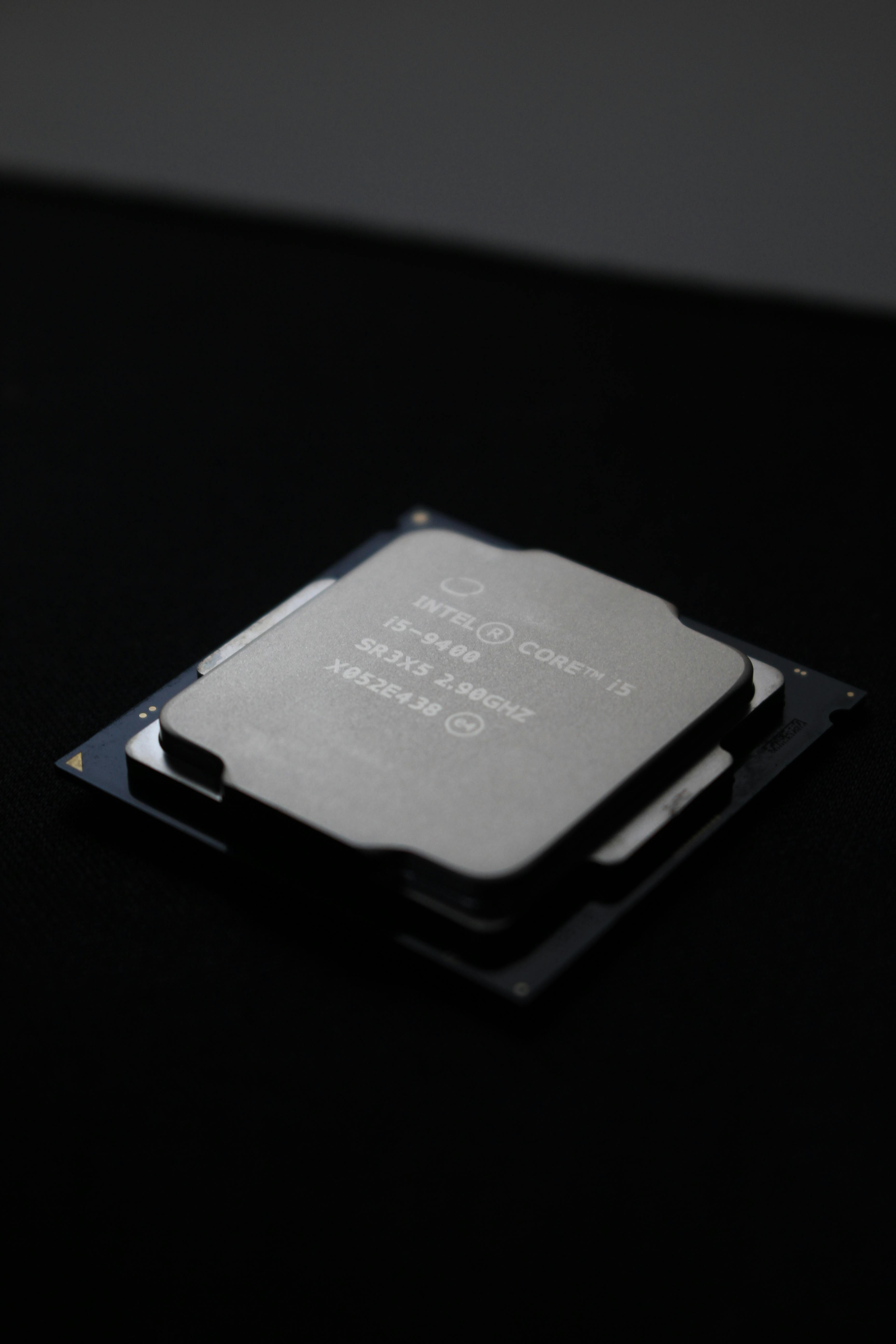
Since June 23, 2026, semiconductor and AI-infrastructure stocks have absorbed three separate sharp selloffs — Micron down over 13% in a single session, then Intel and Applied Materials down 10% and AMD down 8% in a single July 7 session — driven by valuation skepticism around hyperscaler AI capital spending, a reported SK Hynix slowdown in next-generation memory production, and a hawkish pivot from the Federal Reserve under new Chair Kevin Warsh. The piece explains, in plain terms, how a protective put and a zero-cost collar work for someone holding a concentrated position (for example, via employer stock or RSUs) in a volatile chip name, including the strike-price tradeoffs each involves and the IRS's constructive sale rule that can create a surprise tax bill if a collar is built too tight. It closes by walking through what options-market indicators (the CBOE SKEW index and put/call positioning) were actually signaling during this stretch, including Micron's sharp post-earnings rebound.
Timeline: The June 23–July 7 Selloff
June 23: Micron fell more than 13% in a single session after a South Korean regulator publicly said he regretted not blocking leveraged single-stock ETFs tied to Samsung and SK Hynix. Nvidia, AMD, and Intel all dropped alongside it that day.
July 1: Micron fell again — more than 10% — while the Philadelphia Semiconductor Index (SOX), a benchmark that tracks major chip stocks, sank more than 6%.
July 7: Intel and Applied Materials each fell 10%, and AMD fell 8% — even though Samsung had just reported a blowout quarterly profit. The selloff hit anyway: analysts flagged the beat as smaller than some had hoped, after Samsung's shares had already run up sharply this year.
Reuters has put the sector-wide market value erased since late June at more than $1 trillion. At least one other outlet's own basket calculation runs meaningfully higher — a reminder that "total value wiped out" figures depend heavily on which stocks and dates are included.
What's clearly documented, session by session: this has been the sector's roughest multi-week stretch of 2026, even though most of these stocks remain sharply higher than a year ago.
Why Now: Three Forces Colliding
AI-spending math is getting a second look. The four largest hyperscalers (the tech giants running the biggest cloud and AI data-center operations) — Amazon, Microsoft, Alphabet, and Meta — are estimated to be spending a combined $600–700 billion on AI infrastructure in 2026, and investors are increasingly asking how long it takes that spending to turn into profit, rather than just cheering the growth.
SK Hynix reportedly slowed its next-generation memory ramp. Reports indicate SK Hynix pushed back the production ramp of HBM4 — a next-generation high-bandwidth memory chip used in AI accelerators — from the second quarter into the third, reportedly to keep running current-generation chips longer and lean into strong conventional memory pricing. Coverage is split on how to read this: some frame it as smart margin management, others as a signal that demand for the newest AI chips (tied partly to delays in Nvidia's next-generation "Rubin" GPU) is softer than the market had priced in.
The Federal Reserve turned more hawkish than expected. New Fed Chair Kevin Warsh held his first meeting as chair on June 17, 2026, and the Fed's own projections showed roughly half of policymakers now expecting at least one more rate hike in 2026 — a sharp reversal from projections just three months earlier that had shown no hikes and possibly a cut. Higher-for-longer rates make future profits worth less in today's dollars, which hits richly valued growth stocks hardest.
None of this means the selloff is "over" or "just getting started" — nobody, including AskProsper, can tell you which. What it does mean is that anyone holding a concentrated position in one of these names has a real, current reason to think about hedging rather than just watching the ticker.
The Hedging Toolkit
The Protective Put
A protective put pairs a stock position you already own with a put option — a contract that gives you the right to sell your shares at a fixed price (the "strike") before a set expiration date, regardless of how far the stock has fallen. Think of it like an insurance deductible: you pay a premium upfront, and in exchange, your downside is capped at the strike price (minus what you paid for the put), no matter how much further the stock drops. Your upside stays uncapped. The catch is cost — if the stock doesn't fall, that premium is simply gone.
The Collar
A collar is a cheaper (sometimes free) version of the same idea. You still buy a put to protect your downside, but you also sell a call option — a contract that obligates you to sell your shares at a higher fixed price if the stock rallies past that point. The premium you collect from selling the call helps pay for the put you're buying. When the premium collected from the call fully covers the cost of the put, it's called a "zero-cost collar." The tradeoff: you've now capped your upside at the call's strike price. If the stock takes off past that ceiling, your shares would be "called away" at the strike price you sold. A collar tends to make the most sense for someone who would genuinely be comfortable selling at that upside price anyway.
The Tax Trap: Constructive Sales Under IRC 1259
The IRS has a rule called the constructive sale rule (Internal Revenue Code Section 1259) that can force you to recognize — and owe tax on — your gain immediately, as if you'd actually sold the stock, even though you still hold it. This rule can be triggered if a hedge is structured so tightly that it "substantially eliminates" both your risk of loss and your opportunity for further gain — which is exactly what an overly snug collar can look like to the IRS.
There's a safe harbor for certain collars if specific conditions are met. Anyone considering a collar on a large position with a low cost basis should loop in a tax professional before placing the trade.
What the Options Market Was Signaling
Micron reported earnings after the close on June 24, 2026, and the stock jumped more than 15% the next session on results and guidance that came in well above expectations — a sharp reminder that this sector can move just as fast to the upside as the downside.
Ahead of that report, options data showed elevated put open interest (the number of outstanding contracts) relative to calls, consistent with investors holding downside hedges into an uncertain print rather than uniformly betting on a decline; the exact ratios cited for this kind of positioning vary by data provider and should be checked against a live options chain rather than treated as a fixed number. Separately, the CBOE SKEW index — a gauge of how much options pricing reflects the risk of a sharp, unexpected drop — hit a multi-session high above 154 on July 1, even though the VIX, the market's broader measure of expected volatility, stayed relatively calm.
The Takeaway
None of this tells you whether Micron, Intel, or AMD are "buys" here. What the past three weeks do offer is a live example of the tradeoffs built into two common tools for managing a concentrated position: a protective put buys certainty at a real cost, while a collar cuts that cost by giving up upside — and either one needs real attention to the tax rules that come with it.
This article is educational commentary on public market events and options mechanics, not personalized investment, trading, or tax advice.
« Back to all insights