The IRS Just Made Penalty Relief Automatic. It Still Won't Save Options Traders From This One Mistake.
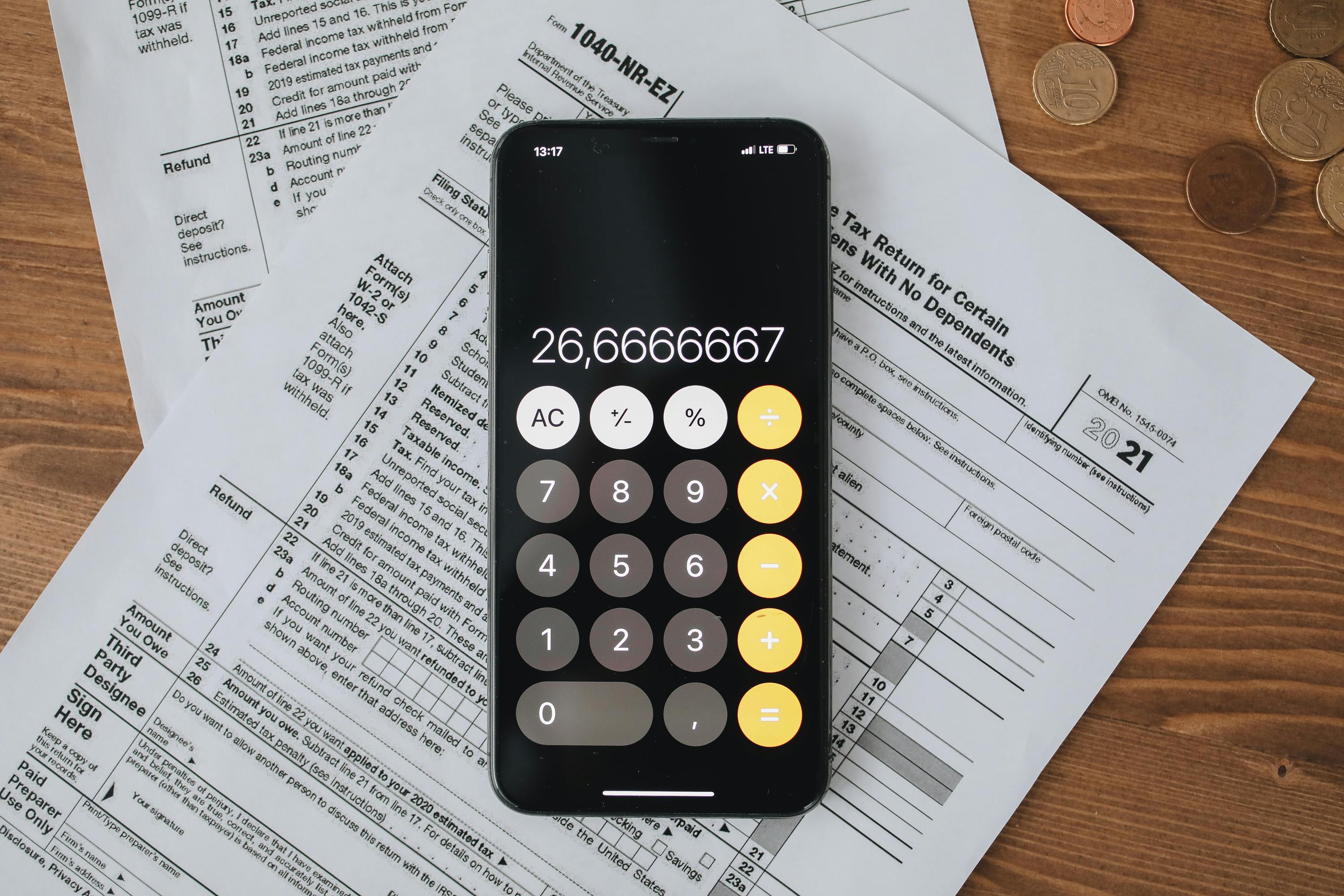
On July 8, 2026, the IRS announced the Automatic Exemption from Penalty (AEP, IR-2026-83), a systemic replacement for the decades-old First Time Abate program that previously required taxpayers to proactively request relief. AEP applies automatically to eligible taxpayers with three prior years (or 12 consecutive quarters) of on-time filing and payment, covering failure-to-file, failure-to-pay, and failure-to-deposit penalties across common individual and business return types. The Taxpayer Advocate Service estimates AEP could extend relief to roughly seven times as many taxpayers as the manual process reached in FY2025. The piece walks through eligibility, the transition timeline into 2027, a flagged gap the National Taxpayer Advocate raised about how AEP interacts with reasonable-cause relief, and — most relevant to AskProsper's audience — the fact that AEP does not cover the estimated tax penalty, the one many active traders with lumpy, trading-driven income actually run into.
Here's a rare piece of tax news that doesn't require you to do anything: starting this year, if you're a generally on-time filer who slips up once, the IRS may just not charge you a penalty. No form. No phone call. No waiting on hold.
On July 8, 2026, the IRS announced the Automatic Exemption from Penalty (AEP) in release IR-2026-83. It replaces First Time Abate (FTA), the agency's long-standing penalty waiver that — despite being one of the most commonly available forms of relief — required taxpayers to know it existed and actively ask for it.
"Automatic Exemption from Penalty reflects the IRS' commitment to making the payment of taxes owed simpler and more consistent," IRS Chief Executive Officer Frank Bisignano said in the announcement, adding that taxpayers who historically pay on time "should not have to make a formal request for relief that is routinely granted."
What Actually Changed
Under the old system, a taxpayer who missed a filing or payment deadline would have a penalty assessed first — then had to call the IRS, submit a written statement, or file Form 843 to have it removed after the fact, even when they clearly qualified.
Under AEP, if you qualify, the penalty is never assessed in the first place. The IRS checks your compliance history automatically when your return finishes processing, and if you're eligible, it applies the exemption on its own and sends you a confirmation notice. Interest that would have accrued on a waived penalty is reduced or removed along with it.
Who Qualifies
To get AEP, you need a clean recent track record: timely filing and timely payment for the same return type over the prior three years (or 12 consecutive quarters, for quarterly filers), with the current year being the one slip-up.
AEP covers three penalty types, regardless of dollar amount: failure to file a return on time, failure to pay tax owed on time, and failure to deposit (for employers required to make payroll tax deposits). It applies across common return types: individual returns (Form 1040), partnership returns (Form 1065), corporate returns (Form 1120), and several employment-tax forms (Forms 940, 941, 943, 944, 945, plus railroad-employer Form CT-1). It does not apply to information returns, event-based filings like estate or gift tax returns (Forms 706 and 709), or the Daily Delinquency Penalty.
Businesses also have a couple of extra guardrails: the failure-to-deposit exemption isn't available if that penalty was already waived four or more times in the prior three years, or if it was assessed for trying to avoid the Electronic Federal Tax Payment System (EFTPS).
The Rollout Timeline
AEP applies starting with tax year 2025 returns and 2026 quarterly returns, with the IRS phasing out First Time Abate over the summer of 2026. Full replacement — meaning FTA goes away entirely — kicks in for returns with an original due date on or after January 1, 2027. During this transition window, some taxpayers who actually qualify may still receive a penalty notice; if that happens, you can still request First Time Abate the old-fashioned way while the systems catch up.
How Many Taxpayers This Affects
The IRS's own National Taxpayer Advocate flagged just how narrow the old system was: in fiscal year 2025, roughly 220,000 taxpayers received First Time Abate relief through the manual request process. The Taxpayer Advocate Service estimates that had AEP already been in place, more than 1.5 million taxpayers — about seven times as many — would have qualified.
Separately, the National Taxpayer Advocate has previously estimated that roughly 1 million taxpayers a year, disproportionately lower-income filers, qualify for this kind of relief but never realize they need to ask for it.
The Reasonable-Cause Gap
The National Taxpayer Advocate's own blog post announcing support for AEP also flagged an unresolved issue: because AEP is applied automatically and functions like a one-time-per-period waiver (similar to how FTA worked), it can get used up in a year where a taxpayer would have actually qualified for a different, potentially more valuable kind of relief — reasonable-cause relief, which is based on specific facts and circumstances rather than a clean filing history. If AEP is applied first without checking whether reasonable-cause relief would also apply, a taxpayer could lose access to that administrative waiver in a later year when they might have needed it more.
The Taxpayer Advocate has recommended the IRS let reasonable-cause relief take priority when the facts support it, along with retroactively applying AEP to some taxpayers penalized earlier in 2026. The IRS's response to those specific recommendations was not yet confirmed as of this writing.
The One Penalty AEP Doesn't Touch
Here's the detail that matters most for AskProsper's audience specifically: AEP does not cover the estimated tax penalty under Internal Revenue Code Section 6654 — the penalty assessed when you don't pay enough tax throughout the year via withholding or quarterly estimated payments.
That penalty is exactly the one that catches active options traders off guard. Trading income is lumpy by nature — a good month can create a large, unplanned tax liability that a regular paycheck's withholding never accounted for. If you underpay your estimated taxes because a trading year ran hotter than expected, AEP isn't the safety net — it's designed for people who missed a filing or payment deadline outright, not people who paid on time but paid too little along the way.
The Takeaway
Keep tracking your quarterly estimated payments, especially in a year with meaningful trading gains. A broader "IRS makes penalty relief easier" headline doesn't mean every kind of tax penalty just got easier to avoid.
This article is educational commentary on a recent IRS policy change, not personalized tax advice. Speak with a qualified tax professional about how any IRS rule applies to your specific situation.
« Back to all insights